
Key Takeaways
- AI Overviews caused a devastating 61% drop in organic click-through rates for B2B informational queries in 2025, fundamentally changing how users consume search results
- Zero-click searches now account for 60% of all Google queries, with B2B buyers completing 83% of their research before ever contacting a vendor
- Smart B2B companies are shifting from click-chasing to citation-building strategies that prioritize appearing in AI summaries over driving direct website traffic
- Content syndication on high-authority platforms has emerged as the most effective method to gain AI citations and maintain brand visibility in the zero-click era
- Companies implementing authority borrowing strategies through strategic content placement are seeing 35% increases in organic clicks despite overall CTR declines
Zero-Click Crisis: 61% CTR Drop Signals End of Traditional B2B SEO
The year 2025 marked a seismic shift in digital marketing that caught most B2B companies completely off guard. Google’s AI Overviews didn’t just change search results—they decimated traditional organic traffic patterns with surgical precision. For informational queries that B2B buyers rely on during their research phase, click-through rates plummeted an unprecedented 61% when AI Overviews appeared above organic results.
This isn’t just another algorithm update that savvy marketers can navigate with minor adjustments. The fundamental relationship between search and website traffic has been permanently altered. Zero-click searches—where users find their answers directly on Google without visiting any website—now represent 60% of all queries. For B2B companies that built their lead generation strategies around capturing organic traffic, this represents nothing short of an existential crisis.
The most sobering reality? This trend shows no signs of slowing. TrustRadius research reveals that B2B buyers are now completing 83% of their vendor research before making any direct contact, often without ever visiting a company’s website.
The Data Behind B2B’s Traffic Catastrophe
1. Zero-Click Searches Hit 60% of All Google Queries
The numbers paint a stark picture of how dramatically search behavior has evolved. From a high baseline of 64.82% in 2020—a spike driven by the COVID-19 pandemic level search volume—zero-click searches stabilized near 58.5% by late 2024. However, with the widespread rollout of AI Overviews, the rate returned to nearly 60% in 2025 and is projected to exceed 65% throughout 2026 as generative search features become the standard.
This isn’t gradual change—it’s a complete transformation of how users interact with search results. Searches triggering AI Overviews now show an average zero-click rate of 83%, while traditional queries (without AIO) average around 60%.
Geographic data reveals the global nature of this shift. In March 2025, U.S. zero-click searches jumped to 27.2% from 24.4% the previous year, while EU and UK markets saw similar increases to 25.7% from 23.6%. These statistics represent millions of lost opportunities for B2B companies to capture potential leads through their websites.
2. B2B Buyers Complete 83% of Research Before First Contact
Modern B2B purchasing has become increasingly complex, with buying committees expanding to include 10 or more stakeholders who must all be convinced before any purchasing decision occurs. These expanded teams rely heavily on self-service research, gathering information from multiple sources before engaging with vendors. The traditional sales funnel, where companies could capture leads early in the research process, has been completely disrupted.
This shift means that by the time a prospect fills out a contact form or responds to outreach, they’ve already formed strong opinions about potential solutions. Companies that aren’t visible during this extensive research phase—whether through direct website visits or AI citation mentions—have effectively been eliminated from consideration before the sales process even begins.
3. AI Overviews Slash Organic CTR to Just 8%
Perhaps the most devastating statistic for B2B marketers is the dramatic impact AI Overviews have on organic search results. When Google displays AI-generated summaries, organic click-through rates collapse to just 8%, compared to 15% for results without AI Overviews present. This represents approximately a 47% reduction in the likelihood that users will visit websites from organic search results.
The implications extend beyond organic results. Paid search isn’t immune either, with click-through rates for advertisements dropping 68% when AI Overviews dominate the search results page. This double-impact creates a perfect storm where both organic and paid strategies lose effectiveness simultaneously, forcing B2B companies to completely rethink their digital marketing approaches.

Why B2B SMBs Are Getting Crushed by AI Overviews
Lost Lead Generation Opportunities
Small and medium-sized B2B companies face particular challenges in this new landscape because they typically lack the resources to implement sophisticated multi-channel marketing strategies. These companies historically relied on organic search as a cost-effective method to generate qualified leads, building their entire growth strategies around capturing traffic from potential customers actively searching for solutions.
With AI Overviews providing immediate answers to common business questions, prospects no longer need to visit multiple websites to gather information. A potential client searching for “best CRM software for small business” might receive an AI-generated summary that addresses their key concerns without ever clicking through to vendor websites. This eliminates countless opportunities for companies to demonstrate their expertise and begin relationship-building processes.
Diminished Brand Visibility in Purchase Decisions
Brand awareness has become exponentially more challenging when potential customers can research entire product categories without encountering company names or visiting websites. AI Overviews tend to synthesize information from multiple sources, often without clearly attributing specific insights to particular companies. This creates a scenario where businesses provide valuable information that gets consumed by AI models but receive no recognition or traffic in return.
The competitive implications are severe. Larger companies with established brand recognition maintain advantages because buyers may specifically search for them by name, bypassing the zero-click problem entirely. Meanwhile, smaller companies that could previously compete on the strength of their content and SEO efforts find themselves invisible in AI-mediated search results, regardless of the quality of their offerings.
Strategic Shift: From Click-Chasing to AI Citation Building
1. Optimize Content for Answer Engine Citations
The future belongs to companies that understand Answer Engine Optimization (AEO) rather than traditional SEO. This means structuring content specifically to be consumed and cited by AI models. Instead of optimizing for human visitors who might bounce after finding basic information, successful B2B companies now create detailed resources designed to become authoritative sources for AI systems.
Practical AEO implementation involves formatting content with clear FAQ sections, numbered lists, and structured data markup that makes information easily extractable. Companies should focus on creating definitive answers to industry questions rather than teaser content designed to drive clicks. The goal shifts from traffic generation to becoming the go-to source that AI models reference when answering user queries.
2. Build Authority Through High-Domain Syndication
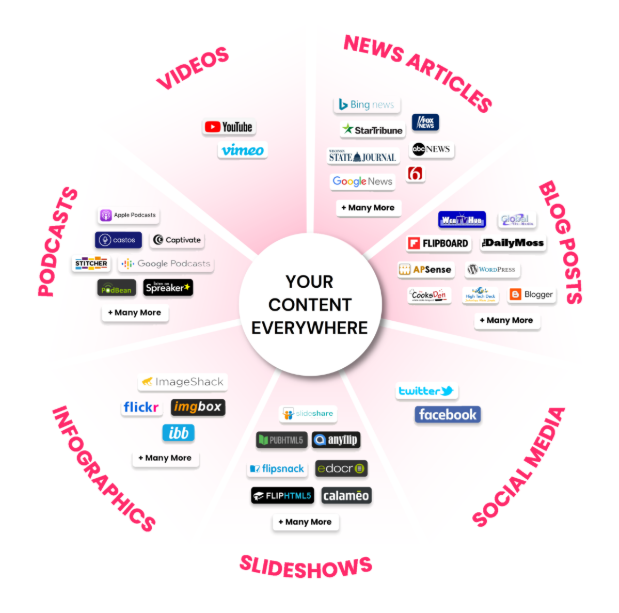
One of the most effective strategies emerging from this landscape involves using the authority of established media platforms to gain AI citations. When content appears on high-domain authority sites like major news outlets or industry publications, AI models treat these sources as more credible and are significantly more likely to cite them in overviews.
This “borrowed authority” approach allows smaller B2B companies to compete with larger competitors by associating their expertise with trusted media brands. Instead of hoping their company blog might rank well enough to be noticed by AI systems, smart companies are placing their thought leadership content on platforms that AI models already trust and frequently reference.
3. Focus on Multi-Channel Brand Presence
With traditional website traffic becoming less reliable, successful B2B companies are diversifying their visibility strategies across multiple channels. This includes podcast appearances, guest articles on industry publications, social media thought leadership, and strategic partnerships that create touchpoints throughout the buyer’s journey.
The key insight is that prospects may encounter brand messages in AI citations, social media posts, industry newsletters, or partner recommendations without ever visiting the company’s website directly. Companies that maintain consistent messaging across all these channels create multiple opportunities for recognition and trust-building, even in a zero-click environment.
4. Track Brand and AI Mentions Instead of Just Website Traffic
Traditional analytics dashboards focused on website visits, time on page, and conversion rates no longer tell the complete story of marketing effectiveness. Forward-thinking B2B companies are implementing new measurement frameworks that track brand mentions in AI overviews, citations in industry content, and indirect referral patterns from thought leadership activities.
This requires developing new KPIs that measure brand awareness, share of voice in AI-generated content, and influence on purchase decisions rather than direct attribution to website visits. Companies that adapt their measurement approaches early will have significant advantages in optimizing their strategies for the new search environment.


The Authority Borrowing Strategy That’s Working
How Content Syndication Creates AI-Trusted Sources
Content syndication has emerged as perhaps the most powerful weapon against zero-click traffic losses. When companies publish their expertise on established media platforms, they tap into the trust and authority those platforms have already built with AI systems. Google’s algorithms and AI models heavily weight content from recognized news outlets, industry publications, and high-authority websites when generating overviews.
The strategy works because AI models are trained to prioritize information from sources that have demonstrated credibility and expertise over time. A small consulting firm’s insights about industry trends carry significantly more weight with AI systems when published on a major business publication than when posted on the company’s own blog, regardless of the content quality.
Documented Results: 35% Organic Click Increase for Cited Brands
Early adopters of authority borrowing strategies are seeing remarkable results despite overall CTR declines. Companies that consistently appear in AI citations through syndicated content report 35% increases in organic clicks compared to competitors who rely solely on their own domain authority. This seemingly contradictory trend occurs because prospects who see brands mentioned in AI overviews often search for those specific companies by name.
The phenomenon creates a powerful flywheel effect. AI citations generate brand awareness, leading to branded searches that bypass the zero-click problem entirely. These direct brand searches typically have much higher conversion rates because prospects are specifically seeking out the mentioned company rather than browsing general category information.
Turn Zero-Click into Zero-Competition Advantage
While most B2B companies view the rise of AI Overviews as a threat, forward-thinking organizations recognize it as an unprecedented opportunity to outmaneuver competitors who are slow to adapt. The majority of small and medium-sized businesses remain focused on traditional SEO tactics that are rapidly becoming obsolete, creating openings for companies that adopt citation-based strategies.
The window for gaining first-mover advantage in AI citation building is rapidly closing as more companies discover these strategies. However, businesses that act quickly to establish themselves as authoritative sources in AI training data can build sustainable competitive moats that will persist as the technology continues evolving.
Success in this new environment requires partnering with experts who understand both traditional marketing principles and emerging AI-driven search behaviors. For B2B companies ready to transform their digital presence and build authority that transcends algorithm changes, Max Performance Group’s Firebranz content marketing team specializes in developing strategies that position businesses as industry authorities across multiple high-impact channels.